



This is Part 1 of a three-part series featuring all three Lucas County Commissioners: Pete Gerken, Lisa Sobecki and Anita Lopez.
Part 2 - The Commish: Lisa Sobecki can be found HERE.
TOLEDO — One of the reasons I created this podcast was to help strengthen the Democratic Party by informing our community about who our policymakers are. Because this is a local podcast, the guests featured on this show are your neighbors, friends, family members and co-workers. But more often than not, they’re people you’ve heard of but don’t really know.
This podcast helps shine a light on our elected politicians who are creating the laws, shaping public policy and making decisions that affect our daily lives. Whether it’s funding for roads and public safety, economic development, public health, housing, or education, these elected officials have a direct impact on the future of our communities.
My goal is simple: to move beyond campaign slogans and social media posts and give voters an opportunity to hear directly from the people making those decisions. An informed community is a stronger community, and democracy works best when voters know not just what their elected officials do, but who they are and what drives them.
On this episode, I sat down with Lucas County commissioner Pete Gerken, who for 30 years now has been fighting some of the region’s toughest battles: poverty, violence, addiction, mental health challenges and economic inequality.
But in an era dominated by anger, division and fear, Pete believes one of the most important things government can offer isn’t a program or policy. It’s hope.
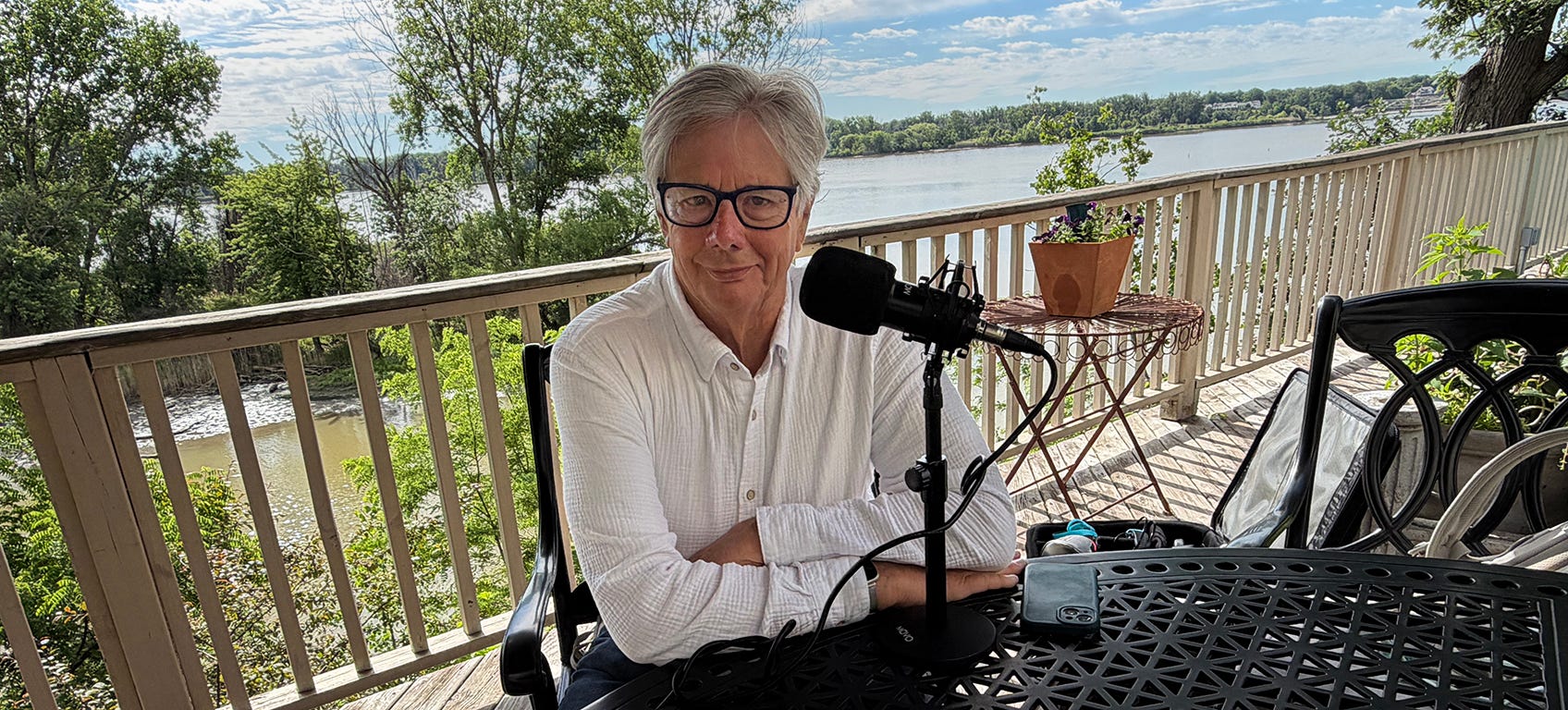
While sitting on his River Road patio that faces Delaware Island on the Maumee River, Gerken reflects on what he sees as the growing connection between poverty, hopelessness and community violence. He also believes local leaders have a responsibility to create opportunities that help people believe their future can be better than their present.
Pete remains one of the county’s most influential voices on issues affecting working families, vulnerable residents and those who often feel left behind by government.
People are worse off now than they were a few years ago. Inflation hasn’t gone down. It’s gone up, right? Obviously, for all the geopolitical reasons that are insane, gas prices are higher than they’ve been ever. People’s wallets are getting thinner, and they don’t like it.
Lots of people are doing well in the stock market, right? Lots of people don’t have anything to do with the stock market. The majority of this community doesn’t have anything to do with that.
Wages rise, but costs rise harder. The squeeze is on, and I think if you’re going to get to people to think about what their own best self-interest is, people are going to look in their wallets and their credit card statements and go, ‘This isn’t working for me.’ That’s where the message has to be. So how do we drive that message?
> Pete Gerken
In this episode, we discuss:
The lack of working class benefits compared to 30 years ago, when he worked for Jeep, and how we should work to get those benefits back.
Why economic insecurity creates long-term challenges for families and communities.
The impact of federal and state policies on working-class Ohioans, in particular the Big Ugly Bill. We will see the many negative ramifications of that bill after the November midterm election. The timing is certainly by design.
Immigration dignity. After all, they built this city.
The controversy surrounding ICE detainees being housed at CCNO
Why he believes local government should be a force for positive change.
Giving tax breaks to small businesses is a good idea. Meta or Google don’t need those tax breaks!
Pete offers a thoughtful perspective on what happens when people lose faith in the future - and what leaders can do to restore it.


